
Reconnected: Why Slowing Down May Be the Fastest Way to Hear God Again
Keynote Speaker, Carlos Whitaker - February 3, 2026
We are living in a moment of unprecedented speed.
Organizations are moving faster. Leaders are expected to decide quicker. Artificial intelligence promises efficiency, scale, and productivity like never before. And yet, beneath all that velocity, something quieter is happening—something many leaders feel but struggle to name.
We are tired. Not just physically, but spiritually. And in our pursuit of speed, we may be slowly handing off our souls to systems that were never meant to carry them.
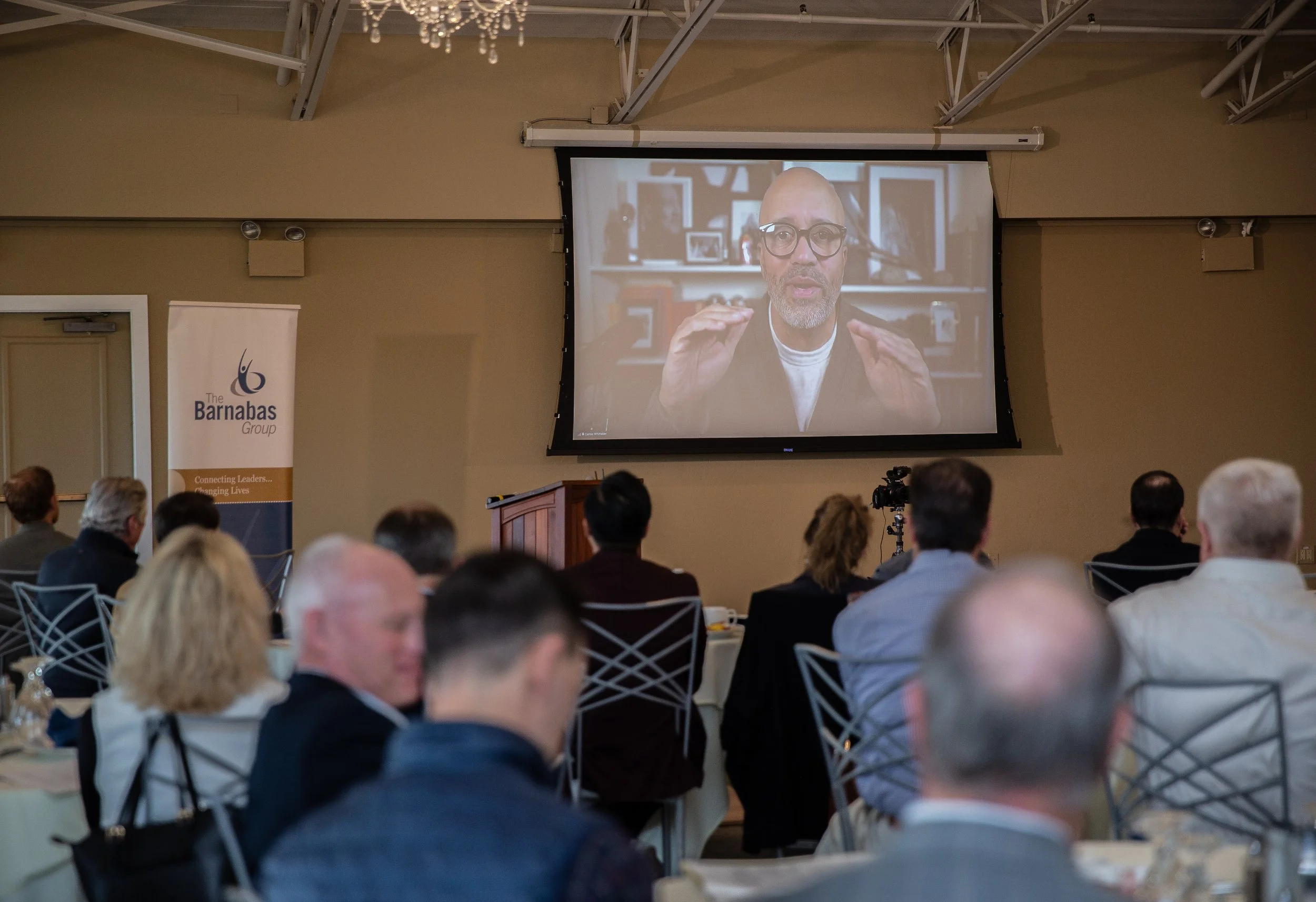
I spend much of my time speaking to companies and organizations outside the faith space, and a phrase I hear more and more is AI fatigue. It’s not a rejection of technology—but a growing awareness that something human is being lost along the way. Even faith-based organizations are feeling it. Churches. Ministries. Leaders who love Jesus but can’t remember the last time they truly heard Him clearly.
That tension is what led me, a few years ago, to an experiment that changed everything.
Eight Weeks. No Screens. One Question.
I decided to step away from all screens for eight weeks. No phone. No computer. No TV. I had my brain scanned before and after the experiment, and in between I lived with Benedictine monks and Amish farmers.
This wasn’t an experiment about technology. It was an experiment about purpose.
The verse I anchored to during those weeks came from Romans 12: “Do not be conformed to this age, but be transformed by the renewing of your mind.” I wanted to know—what happens to our minds, our hearts, and our souls when we stop conforming to the pace of the world?
Before the experiment, I visited Dr. Daniel Amen’s brain clinic in Southern California. After eight weeks of stillness, silence, and embodied work, I returned for a second scan.
What happened in between surprised me.
When You Lower the Volume of Life, the Volume of God Goes Up
My first stop was a Benedictine monastery. Fourteen days. Twenty-three hours a day of silence. No distractions. No noise. And it was awful.
Within forty-eight hours, my body was in withdrawal. Night sweats. Heart palpitations. Anxiety. Dr. Amen later told me I was coming off a drug—not my phone, but the constant stream of stimulation flowing through it.
That’s when I realized something important:
The phone isn’t the drug. It’s the needle.
The question isn’t whether we use technology. The question is what’s coming through it. Is it life-giving? Or is it slowly draining our capacity to listen, to notice, to care? I learned something powerful during those days with the monks: we don’t catch up to God by moving faster. We catch up by slowing down. When you lower the volume of life, the volume of God goes up.
Godspeed vs. Our Speed
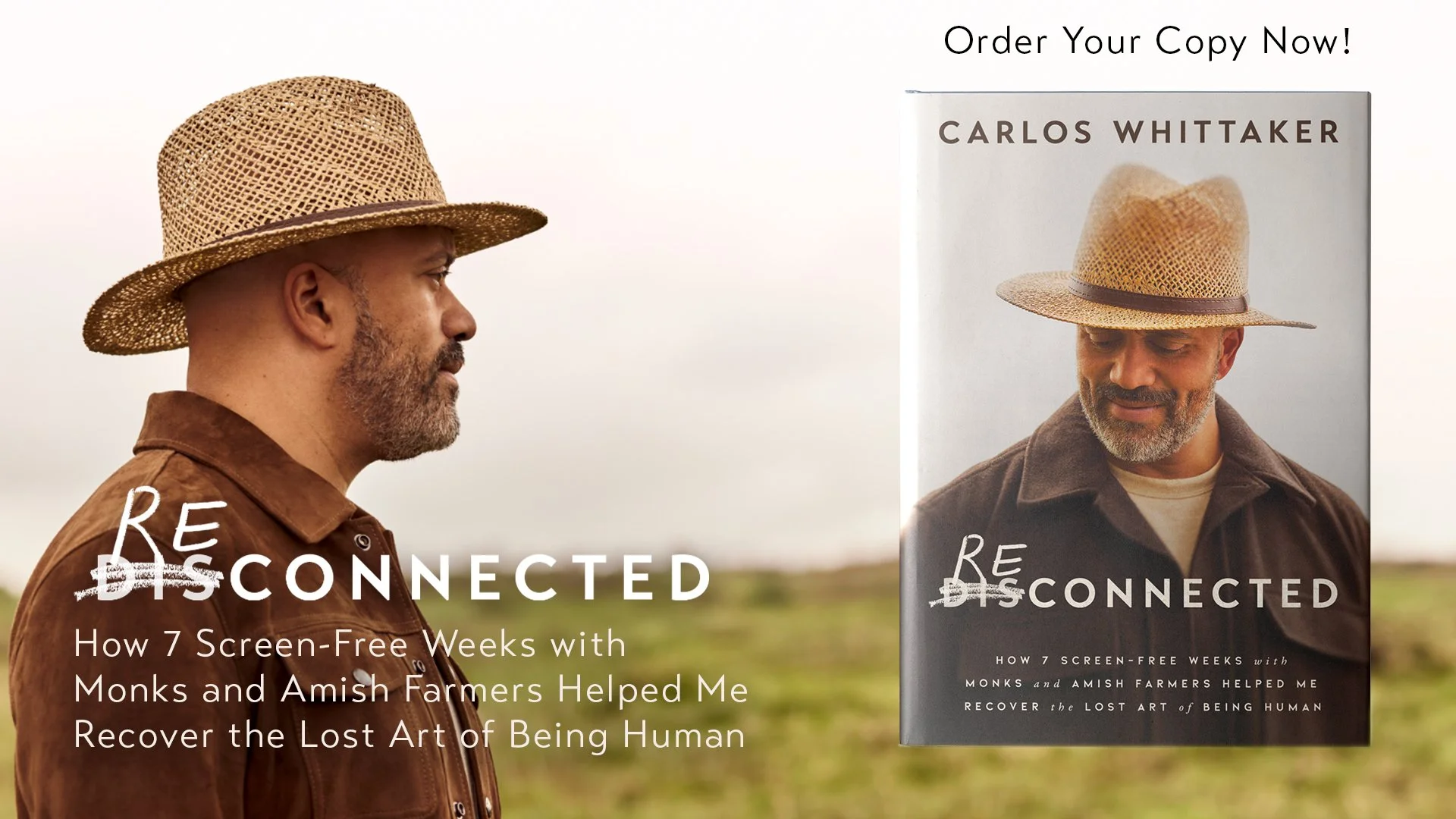
One day, as I was unraveling emotionally, a monk named Father Francis said something I’ll never forget. “Carlos, we move at Godspeed.” He explained that the average human walking speed—three miles per hour—is how God designed us to move through the world. Then he asked me a question that still echoes in my leadership decisions today: “If God is moving at three miles an hour, and you’re moving at a hundred, who’s following who?”
That question reframed everything.
What if the exhaustion we feel isn’t because we’re doing too much for God—but because we’re outrunning Him?
The Lost Art of Wonder
After the monastery, I lived with an Amish family. They worked hard. Fast, even. But they carried a different posture toward the world—one rooted in presence and intuition. One of the first things I noticed was how much we’ve lost the ability to wonder.
Today, the moment a question arises, we Google it. We ask ChatGPT. We demand immediate answers. But wondering—lingering in the question—often leads to deeper revelation than the answer itself.
I’ve started asking teams and organizations to hold meetings where questions are raised but not immediately answered. Just wonder together. Watch what surfaces. Watch how creativity and discernment re-emerge.
Wondering reconnects us to how God designed us to think.
Trusting God’s Voice Again
Living with the Amish also reintroduced me to intuition—what many in the marketplace call “gut instinct,” but what Scripture would simply call the leading of the Holy Spirit. One farmer taught me this through something as simple as dew on my boots. He trusted what he noticed more than the forecast. And he was right. Somewhere along the way, we stopped trusting God’s voice and started trusting apps, ratings, systems, and algorithms instead. What might God be asking you to stop outsourcing?
What Changed
When I returned for my second brain scan, Dr. Amen told me something astonishing. My cerebellum showed signs of healing equivalent to about five years—in just eight weeks.
Even more surprising: my cognitive memory score jumped from the 50th percentile to the 99th percentile for adult men.
Today, my screen time is down from over eight hours a day to around three. And I’m still productive. Still effective. Still engaged in meaningful work.
But now, I’m listening again.
The Invitation
God is still speaking. Not vaguely. Not distantly. But conversationally. And perhaps the most generous thing we can do—not just with our resources, but with our lives—is to slow down enough to hear Him clearly again. Because the question remains for all of us:
If God is moving at three miles per hour…who’s following who?
About The Speaker: Carlos Whittaker
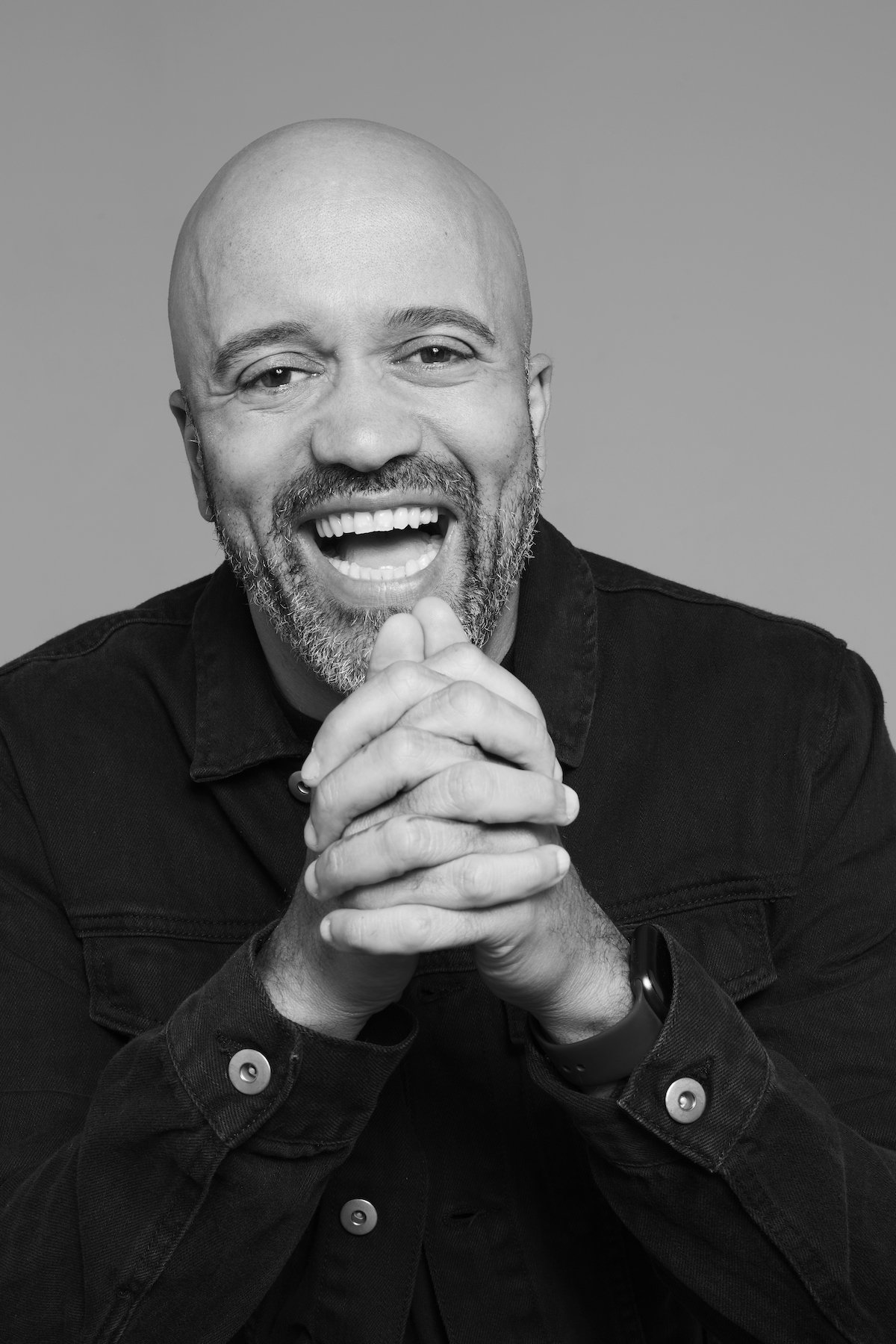
Carlos Whittaker is bringing hope to humans all over the world. And he’s pretty good at it: he’s an author, podcaster, and global speaker backed by the power of a massive Instafamilia, his enthusiastic social followers who tune in daily to join forces with Carlos to find connection, do good, and be in community.
His superpower is creating spaces—online and in-person—where people are safe to engage in conversation about the topics that matter most but are often avoided. His motto: don’t stand on issues, walk with people.
Find Caros on LinkedIn HERE and if you really want a wild ride, follow up on instagram @loswhit