
Intentional Experience Is a Leadership Decision
By Partner Johnny Shroyer, Pastor of Bayside Business Ministry
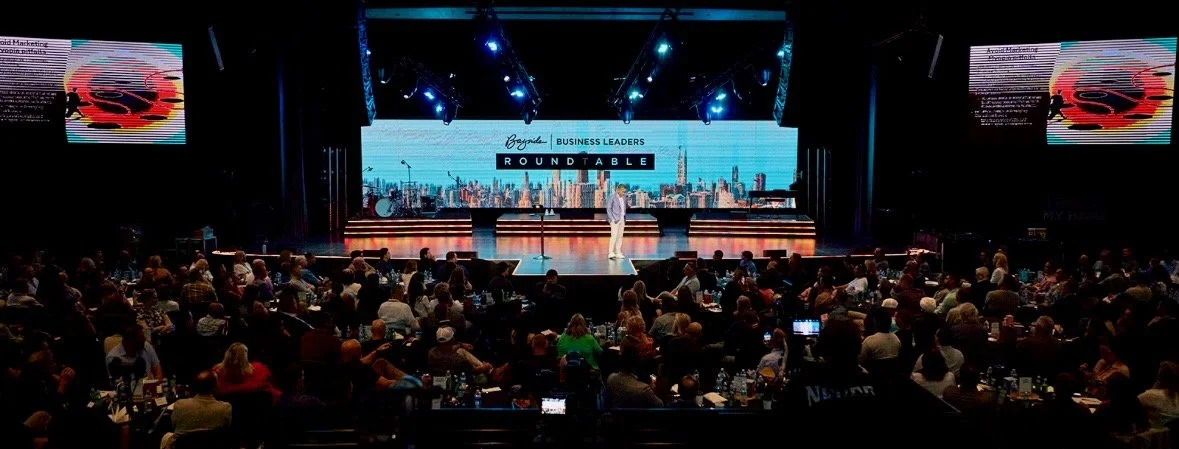
This Barnabas Brief is adapted from Johnny’s most recent keynote at the Bayside Business Leaders Luncheon on February 5, 2026.
Customer Loss Starts Emotionally
Most leaders assume customer loss shows up first in a spreadsheet. In reality, it begins long before that. It begins emotionally. Long before revenue dips or retention percentages shift, something has already changed in how a person feels about their interaction with you. People do not experience your org chart, your five year strategy, or your internal reporting structure. They experience moments. And how those moments make them feel determines whether they stay, refer, engage deeply, or quietly begin to drift away.
Scripture reminds us in Proverbs 4:23 to guard our hearts, because everything we do flows from them. In business, the emotional experience of your customer and the emotional climate of your team both matter more than many leaders realize. When we focus exclusively on metrics while ignoring experience, we are managing outcomes without tending to the source. What flows downstream financially is almost always rooted upstream emotionally.
Performance Is Measured, Experience Is Led
Most companies are disciplined about measuring performance. We track revenue, margin, churn, growth rate, productivity, and close ratios. Dashboards are updated weekly. Reports are reviewed monthly. Targets are set quarterly. Yet experience is often assumed rather than intentionally led. We hope it is good. We assume our people are delivering it. But we rarely define it with clarity or manage it with intention.
Intentional Experience is not accidental. It is a leadership decision. It is not vague or soft, and it is not limited to hospitality brands or customer service departments. It is measurable and operational across every industry. It simply requires leaders to recognize that service and experience are not the same thing. Service is execution. Experience is how someone feels afterward. You can execute the policy correctly and still erode loyalty if the person leaves feeling unheard, rushed, or undervalued. Even when the answer is no, the way that no is communicated defines the strength of the relationship.
Turning Problems into Moments
One of the clearest examples of this comes from a story at the Ritz Carlton. A child left behind a beloved teddy bear after a family vacation. Returning the bear would have been good service. It would have been responsible and appreciated. Instead, the staff chose to create a story. They photographed the bear enjoying an extended stay at the hotel, lounging by the pool and helping at the front desk, and then mailed it home with a playful narrative. The object was returned, but more importantly, the moment was transformed. What could have been disappointment became delight. What could have been forgettable became unforgettable.
That transformation was not random. It was made possible by leadership. Ritz Carlton empowers employees with meaningful discretion to solve guest problems in real time. They understand that customer lifetime value far outweighs short term cost. When leaders trust their people and provide clear guardrails, resolution happens faster, escalations decrease, referrals increase, and engagement rises. Experience is created at the point of contact, not in the executive conference room. If you want a different customer experience, you must start with how you lead.
Culture Is Built Through Permission
Culture is often misunderstood. We write value statements, host off sites, and print posters. But culture is not built through slogans. It is built through permission. When leaders consistently override decisions, redo work, or require approval for every exception, teams learn to hesitate. They stop taking ownership. They default to safety rather than initiative. Over time, micromanagement slows response time, increases escalation, drains morale, and quietly damages the customer experience.
How you treat your people becomes how they treat your customers. Ephesians 6:7 calls us to serve wholeheartedly, as if serving the Lord. That kind of wholehearted service flourishes in an environment of trust and clarity, not fear and over control. Leadership behavior sets the ceiling for experience. If your team feels constrained, your customers will eventually feel it too.
The Leadership Gap
One of the most important questions a leader can ask is simple but revealing. Where do your people know the right thing to do but do not feel allowed to do it? That gap is rarely about competence. More often, it is about permission. Closing that gap does not require a complete overhaul. It requires clarity, trust, and the courage to release control in the right places.
Over the next ninety days, I challenge leaders to identify one moment that matters most in their organization. It might be the first interaction with a prospect, the way complaints are handled, or how billing questions are resolved. Define what good looks like in that moment. Establish clear decision guardrails. Then explicitly give your team permission to act within those boundaries. If you are unsure where friction exists, ask your people. They already know where they feel stuck.
Start with Leadership Behavior
Leadership behavior shapes Intentional Experience, and Intentional Experience determines results. If you want different outcomes, do not start by adding new metrics. Start by examining your leadership behavior. Intentional Experience is not a soft metric. It is a leadership outcome, and at its best it reflects the character of Christ, who was attentive, responsive, empowering, and fully present in the moments that mattered most.
When leaders become intentional about experience, organizations change. Loyalty deepens. Teams grow in confidence. Customers become advocates. And results follow, not because we chased them directly, but because we led differently.
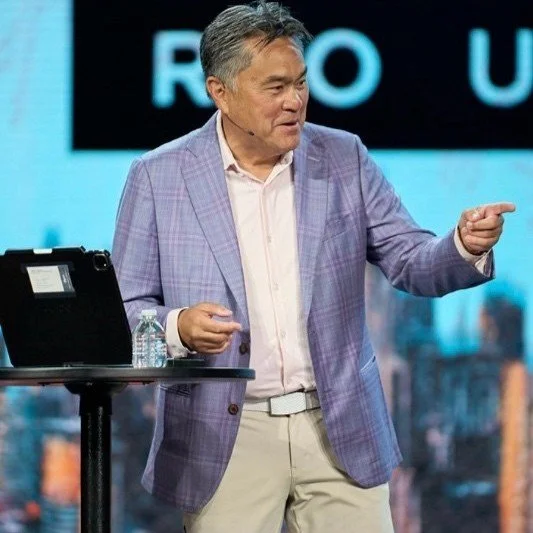
About The Author: Johnny Shroyer
Johnny Shroyer is an experienced executive and pastor currently serving as the Executive Director and Pastor for Bayside Business Leaders at Bayside Church since April 2023. Johnny is focused on engaging and influencing business leaders with an evangelistic approach, fostering partnerships that enhance their personal and professional lives.
Previously, Shroyer held significant roles, including Vice President of Sales for KAR Global from January 2020 to December 2022, where responsibilities included leading the West Division and managing field sales teams for digital auction solutions. Johnny’s earlier roles encompass Vice President of Sales & Operations for Automotive Finance Corporation and various leadership positions in sales and operations within the automotive finance sector, demonstrating a strong background in sales management, strategic development, and team leadership. Education includes an Associate of Science in Computer Science from College of Marin and studies at San Francisco - CLC.